Glossary
The Mendoza Holidays Glossary of Mendocino Terms was created to help you understand expressions, traditions, places, and concepts that are unique to Mendoza and its cultural identity, offering clear and contextualized definitions related to wine, gastronomy, the Harvest Festival, tourism, geography, and local customs; it serves as a practical guide for travelers seeking an authentic Mendoza experience, allowing a deeper connection with the region’s history, culture, and lifestyle, because at Mendoza Holidays we believe that luxury lies in the details and that understanding every word is an essential part of enjoying unique, personalized, and memorable experiences in Mendoza.
A
Aconcagua (Mount): At 6,962 meters, it is the highest mountain in the Americas. It is located within the Provincial Park of the same name and is a great icon of world mountaineering.
Alcayota: A typical fruit of the region (similar to a squash) used to make a traditional jam or preserve that is highly valued in local gastronomy.
Alejandro Vigil: A world-renowned Mendoza winemaker, recognized for bringing the region´s wines to the highest scores in international reviews.
Andes Mountains: An imposing mountain range that serves as a natural border with Chile and defines the climate, landscape, and cultural identity of Mendoza.
Arístides Villanueva Avenue: The most vibrant nightlife, commercial, and gastronomic hub in Mendoza City, famous for its bars, shops, and social life.
B
Biking among Wineries: A recreational activity that involves touring vineyards and visiting wineries using bicycles, allowing for direct contact with nature and the landscape.
Bonarda: A very important red grape variety in Mendoza; after Malbec, it is one of the strains with the largest cultivated area and great quality potential.
Boutique Hotels: Small-scale accommodations with personalized design and very attentive, exclusive service, located in both the city and rural areas.
C
Cacheuta (Thermal Baths): A mountain town famous for its historic hotel and thermal center, where guests can enjoy natural hot springs with views of the Mendoza River.
Carousel of the Queens: A traditional parade held on Saturday morning during Harvest week, where queens and gaucho groups parade through the city streets.
Central Market: A historic space in the city center where visitors can buy regional products (spices, meats, cold cuts) and eat typical dishes at popular prices.
Cerro de la Gloria: An iconic viewpoint in Mendoza City that houses the Monument to the Army of the Andes; it offers a spectacular panoramic view of the city.
Chacras de Coria: A picturesque district in Luján de Cuyo, known for its tree-lined streets, old mansions, top-tier gastronomic offerings, and boutique hotels.
Chivito: Young goat meat, usually roasted over an open flame. It is a traditional dish deeply rooted in the gastronomic culture of southern Mendoza.
Corkage: A service offered by some restaurants where the customer can bring their own wine and pay a fixed fee for the glass service and opening of the bottle.
E
El Plumerillo Airport: The province´s main international air terminal, connecting Mendoza with important national destinations and neighboring countries such as Chile and Brazil.
Empanada Mendocina: A typical regional dish. Unlike those from other provinces, the Mendocino version usually contains plenty of onion and green olives and is baked, resulting in a juicy and flavorful pastry.
F
Facturas (Pastries): Traditional sweet baked goods (such as croissants) that are customarily consumed in Mendoza for breakfast or afternoon snacks.
Finca: A rural property or agricultural land dedicated mainly to the cultivation of vines, olive trees, or fruit trees.
Frank Romero Day Greek Theater: A majestic outdoor Greek-style stage located on the slopes of Cerro de la Gloria, where the National Harvest Festival is held every year.
G
Gastronomy: The set of local flavors that combines Creole tradition (asado, empanadas) with the modern haute cuisine offered by winery restaurants.
General San Martín Park: The city´s largest green lung. It covers 400 hectares and features an artificial lake, a Rose Garden, and the Malvinas Argentinas World Cup stadium.
Glamping: An accommodation style that combines the experience of camping outdoors with the luxury and amenities of a high-end hotel.
Gualtallary: A high-altitude wine-growing area in the Uco Valley, world-renowned for the exceptional quality of its soils and wines with mineral character.
H
Harvest: The process of harvesting grapes when they are ripe. It takes place mostly between February and April.
Helicopter Tours: A private flight service that allows for flying over the vineyards and mountain peaks to obtain a unique and exclusive perspective of the landscape.
Horseback Riding: Guided excursions on horseback, either through the trails of the Andes Mountains or between the rows of the vineyards.
I
Independence Square: The main square of Mendoza City, a meeting point for artisans and street performers, and the heart of the city center.
L
Las Leñas: The most famous ski and snowboard center in Mendoza, located in the south, recognized for the quality of its snow and slopes for experts.
Luján de Cuyo: Known as the "Land of Malbec," it is a historical region located south of the city where some of the most prestigious wineries are found.
M
Maipú: One of the most traditional wine and olive-growing areas of Mendoza, ideal for touring old wineries and olive oil factories.
Main Act of the Harvest Festival: The most important artistic and choreographic show of the Harvest Festival. It is held at the Frank Romero Day Amphitheater with more than a thousand artists on stage and fireworks.
Malbec: The flagship red grape of Argentina. Mendoza is the place where this strain found its best expression, making it the wine most sought after by tourists.
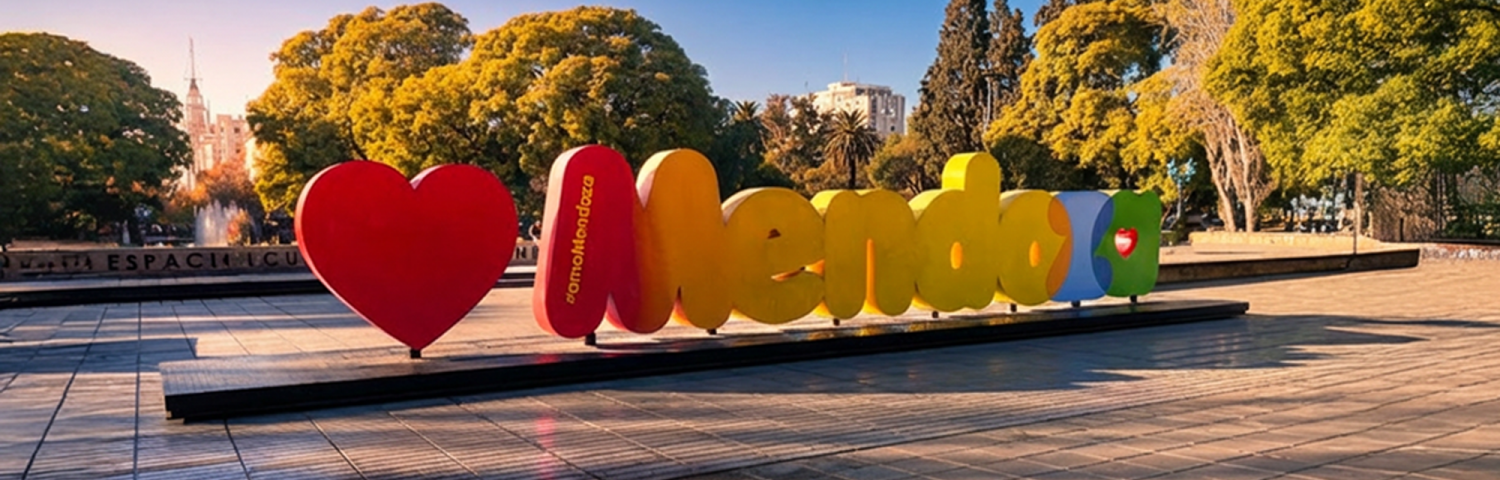
Mendoza City: Capital of the province and main urban center. It stands out for its "forest city" design with irrigation ditches and lush squares.
MICE Tourism: An acronym for meetings, incentives, conferences, and exhibitions tourism, a sector in which Mendoza is a national leader.
N
National Harvest Festival: The province´s largest celebration, held in March to celebrate the end of the grape harvest and the transformation of the fruit into wine.
National Harvest Queen: A young woman elected annually to represent Mendoza to the world as an ambassador for the culture and the wine industry.
O
Olive Oil: A gourmet product of international renown. Mendoza is one of the main producers of high-quality oils, derived from the region´s extensive olive groves.
P
Plane of the Uruguayans: Refers to the historic site in the mountains where the "Miracle of the Andes" occurred in 1972. Today it is a trekking destination to pay tribute to the survival.
Potrerillos: A mountain town known for its large dam (artificial lake). It is the preferred place for water sports and enjoying the view of the Andes.
Puente del Inca: A curious natural geological formation over the Cuevas River that resembles a golden stone bridge, formerly associated with a thermal water hotel.
R
Rafting (Mendoza River): An adventure activity that involves descending the mountain river rapids in rubber boats guided by experts.
S
Santiago de Chile: The capital of the neighboring country, connected to Mendoza by a high-mountain land crossing that offers incredible landscapes along the way.
Sarmiento Pedestrian Street: A three-block downtown promenade where cafes with outdoor tables, flowers, and historic buildings are concentrated, ideal for walking and relaxing.
Siesta: A local custom where many shops close between 1:00 PM and 5:00 PM to rest and avoid the midday heat.
Sommelier: A wine expert who advises diners on the best drinking options and explains the characteristics of each label.
T
Terroir: A technical term describing the unique combination of soil, climate, and human intervention that gives a specific area´s wine an unrepeatable flavor.
Trekking: Guided walks along natural trails, which in Mendoza can range from gentle strolls to multi-day high-mountain expeditions.
U
Uco Valley: A modern, high-end wine-growing region located at the foot of the Andes. It is famous for its stunning landscapes and avant-garde architecture wineries.
Uspallata: An important valley and mountain town located on the route to Chile; it was a key point in General San Martín´s campaign.
V
Vía Blanca: A night parade of allegorical floats held on the Friday before the Main Act, where the public greets the candidates for the national throne.
Villavicencio: A protected natural reserve known for its historic gardens, the old mountain hotel, and for being the source of a famous mineral water.
Virgin of La Carrodilla: Considered the "Patroness of the Vineyards," her image is venerated by producers to ask for protection against hail and frost.
W
Wine Cellar: An underground or cool space within a winery, specifically designed for the storage and aging of wine in barrels or bottles.
Winemaker: The technical professional responsible for making the wine, from the care of the grapes on the farm to the final bottling.
Wine Pairing: The art of combining a meal with the appropriate wine to enhance the flavors of both.
Wine Routes: Signposted tourist routes that group wineries by geographical areas, facilitating tours through different wine-growing regions.
Wine Tasting: A guided sensory experience in which different wines are sampled to learn to identify their aromas, flavors, and characteristics.
Wine Tourism: A type of tourism centered on the world of wine, which includes visits to wineries, museums, tastings, and accommodation among the vineyards.
Winery: An establishment dedicated to the production and aging of wine. In Mendoza, hundreds of them are open to tourism, offering guided tours and gastronomy.
Winery Restaurant: A gastronomic experience where dishes are designed to accompany the house wines, generally with stunning views of the vineyards.
Z
Zonda: A strong, warm, and very dry wind that comes down from the mountains. It is a typical meteorological phenomenon of the region that usually occurs between the months of May and November.
Why travel with Mendoza Holidays?
100% Tailor Made
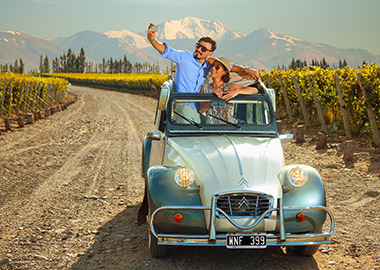
We’re in the business of crafting memorable and inspiring journeys. Our website is designed to help discerning travelers plan the most complex itineraries, down to the tiniest detail.
LEARN MOREThe Best Team
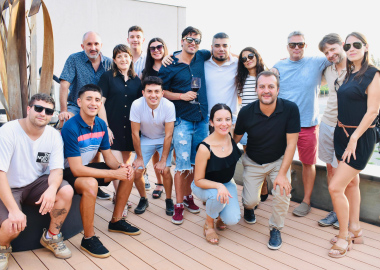
We promise heartfelt service, on and off the road. Driven by our passion for travel, we continue to innovate and create holidays that are simply the best!.
LEARN MOREOur Awards
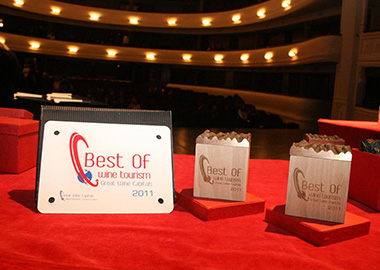
We are very proud of being voted “Mendoza´s Best wine tour operator¨by the Great Wine Capitals. The Best of Wine Tourism Awards celebrate innovation and excellence in wine tourism.
LEARN MORE

